Rubbish removal guide for Westferry E14
Posted on 02/07/2026
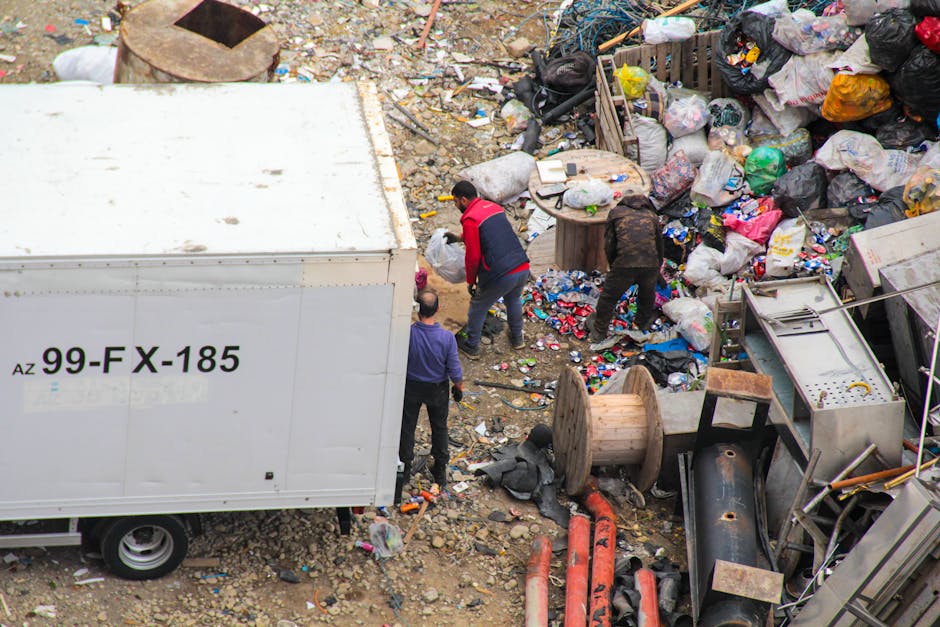
If you live or work in Westferry E14, rubbish has a habit of piling up at exactly the wrong time. One minute it is a flattened sofa, a few bags after a clear-out, or debris from a weekend project; the next, it is taking over the hallway, balcony, or loading bay. This rubbish removal guide for Westferry E14 walks you through the practical side of getting waste cleared quickly, safely, and without unnecessary stress.
You will find out how rubbish removal usually works, what to prepare before collection, which options suit different jobs, and how to avoid the common mistakes that cost time and money. We will also cover compliance, recycling, and the little details that matter in a busy London neighbourhood where access, parking, and timing can be awkward. To be fair, that is usually where the whole job either feels easy or turns into a mild headache.
Why rubbish removal matters in Westferry E14
Westferry sits in a part of London where homes, apartments, offices, and mixed-use buildings often share tighter access and less forgiving storage space. That makes rubbish removal more than a tidy-up task. It is about keeping your property usable, your neighbours happy, and your routine moving smoothly. If waste sits around too long, it can block entrances, attract pests, create odours, or simply make a place feel more chaotic than it needs to be.
There is also the practical side. Westferry properties often have limited lift space, narrow stairwells, concierge rules, or timed loading restrictions. A rubbish removal plan that works in a suburban driveway may fall apart here. So the real value of a good guide is knowing what kind of waste you have, how quickly it needs to go, and which method is actually realistic for your building.
If you are dealing with a bigger clear-out, it helps to think beyond the immediate mess. What will happen to the waste after collection? Is it recyclable, reusable, or mixed general waste? A provider that talks clearly about sorting and recovery is usually a better fit than one that just promises to "take everything away" and leaves it vague. For more on that side of things, you can look at recycling and sustainability.
How rubbish removal works
At a simple level, rubbish removal is a collection service that takes away household, commercial, or renovation waste that you cannot conveniently handle yourself. In practice, the process usually starts with identifying the waste type, estimating volume, and deciding whether it needs same-day collection, scheduled clearance, or a specialist disposal approach.
Most jobs follow a fairly similar pattern:
- You describe the waste and, if possible, share photos.
- The provider estimates the load and suggests the right service.
- A collection time is booked around access and building rules.
- The waste is removed, loaded, and transported for sorting or disposal.
- You receive confirmation of the service and any relevant paperwork.
That sounds straightforward, and sometimes it is. But Westferry can be a bit of a puzzle. You may need to coordinate with a concierge, arrange parking access, or work around delivery windows. If you have ever tried to move a wardrobe through a lift at 8:00am, you will know what I mean. It is never just "pick it up and go".
For a broader view of the services available, the services overview page is useful for understanding how different waste types are typically handled, from domestic clutter to larger specialist clearances.
Key benefits and practical advantages
Using a professional rubbish removal service in Westferry E14 is not only about convenience. It can save you multiple headaches at once, especially if the waste is bulky, heavy, awkward, or time-sensitive.
- Less lifting and less risk: heavy items like mattresses, wardrobes, fridges, and broken appliances are awkward to move and easy to damage walls with.
- Faster turnaround: what might take you a full weekend can often be cleared far more quickly with the right team.
- Cleaner outcome: a proper clearance usually leaves the area ready to use, not half-finished with bits of packaging and dust left behind.
- Better sorting: recyclable material, reusable furniture, and general waste can be separated more intelligently.
- Reduced hassle with transport: no van hire, no loading headache, no back-and-forth to a local tip with a boot full of mixed rubbish.
There is also a quieter benefit that people do not always mention: peace of mind. Once the rubbish is gone, the place feels lighter. A small flat can suddenly breathe again. An office storeroom stops feeling like a forgotten corner of the world. It is a small thing, maybe, but a real one.
Expert summary: In a dense area like Westferry E14, the best rubbish removal solution is usually the one that matches your access, waste type, and timing first - price matters, but the wrong service can cost more in delays and extra handling.
Who this is for and when it makes sense
This guide is for anyone in Westferry E14 who has waste that is too bulky, too much, or too awkward for normal bin collections. That includes residents, landlords, letting agents, small businesses, contractors, and property managers. Honestly, there is a good chance you will need rubbish removal at some point if you live or operate in a fast-moving London area like this.
Typical situations include:
- post-move clear-outs in flats or maisonettes
- furniture replacements after a renovation or tenancy change
- builder's waste after a kitchen, bathroom, or flooring project
- garden waste from terrace, balcony, or shared outdoor spaces
- office declutters, storage room clearances, or equipment swaps
- appliance disposal when white goods stop working and cannot be left on site
Sometimes the trigger is practical, not planned. A washing machine dies on a Wednesday evening. A tenant moves out and leaves a surprising amount behind. A renovation suddenly produces more rubble than your normal bins can handle. That is when a clear, well-organised collection service becomes more than handy.
For people dealing with larger domestic jobs, domestic waste collection in Canary Wharf gives a good sense of how household rubbish is usually approached in the local area.
Step-by-step guidance
If you want the cleanest result with the least drama, follow a simple process. It sounds basic, but it is often where jobs go right or wrong.
1. Sort your waste into clear groups
Start by separating general rubbish, furniture, electricals, builder's waste, garden waste, and anything potentially hazardous. Even a rough sort helps. A mixed pile is slower to quote, slower to load, and more likely to be mishandled.
2. Measure the load roughly
You do not need laboratory accuracy. Just note whether it is a few bags, a van-load, half a van, or a larger clear-out. Photos help a lot. If you have a bulky item like a sofa or wardrobe, mention that directly rather than guessing by bag count alone.
3. Check access before booking
Ask yourself: will the team need a lift, a concierge sign-in, a parking bay, or a call on arrival? Westferry buildings can vary a lot. A quick access check prevents those awkward "we're outside but can't get in" moments. Little detail, big difference.
4. Ask what happens to the waste
Some loads can be separated for reuse or recycling, while others need disposal as mixed waste. Good providers are usually clear about this. If they are vague, that is a signal, and not a good one.
5. Confirm timing and any restrictions
Same-day collection is great when available, but it is not always the best option if your building has set loading times. Better to align the booking with reality than to force it and create a delay.
6. Prepare the space
Move smaller items together, clear a path to the waste, and keep anything you want to retain well away from the pile. It sounds obvious, but I have seen people accidentally leave a box of documents next to the clearance pile. Not ideal.
7. Keep records if needed
If you are a landlord, manager, or business owner, keep the invoice and any proof of collection. That way you have a clean record for your own files. Simple, but useful.
Expert tips for better results
A few practical habits make rubbish removal smoother and usually cheaper in the long run.
- Book around access, not just around convenience. A good slot is one where the building actually allows the collection to happen.
- Give accurate descriptions. "Mixed rubbish" is fine for some jobs, but mention anything heavy, sharp, wet, oily, or especially bulky.
- Keep recyclables separate if you can. Cardboard, clean metal, and certain furniture items are often easier to handle when grouped sensibly.
- Think about dismantling. Flat-pack furniture, bed frames, and shelving often take up less space when broken down first.
- Use photos from a few angles. One blurry shot rarely tells the full story. Wide shot, close-up, and access photo is the sweet spot.
Another small tip: if you are clearing a flat in the morning, do the sorting the evening before. Morning light has a way of making every item look larger than it is. That is not a scientific statement, just a very human observation.
If you are trying to reduce what ends up in the waste stream in the first place, the article on eco-friendly tips for reducing waste is a sensible companion read.
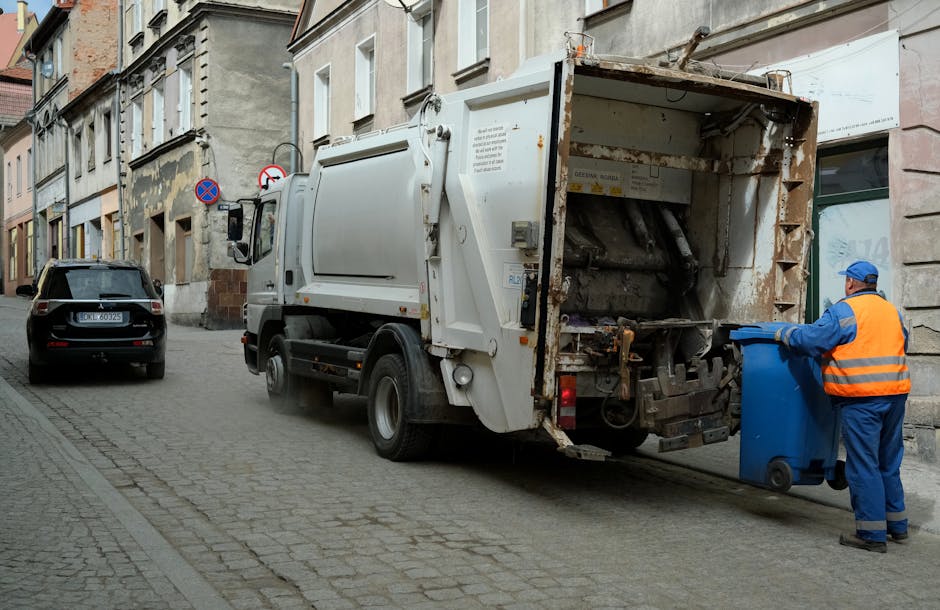
Common mistakes to avoid
A lot of rubbish removal problems are avoidable. The tricky part is that the mistakes usually look small right up until they create a bigger issue.
- Leaving the quote too vague: vague descriptions lead to mismatched vehicles, longer loading times, and sometimes extra charges.
- Ignoring building rules: concierge procedures, lift booking, and parking rules matter more than people expect.
- Mixing hazardous items into general waste: batteries, chemicals, certain paints, and sharp waste need special handling.
- Overestimating what a standard bin can absorb: bin collections are not designed for a full renovation or furniture replacement.
- Not checking credentials: a reputable waste carrier should be able to explain compliance and disposal practices clearly.
One mistake that catches people out a lot is assuming all rubbish is the same. It really is not. A bag of old clothes, a broken fridge, and plasterboard are all waste, yes, but they do not behave the same way once they leave your door.
Tools, resources and recommendations
You do not need specialist equipment for most small-to-medium clearances, but a few basic tools help enormously.
- Heavy-duty bin bags: useful for light mixed waste, clothing, soft packaging, and non-sharp rubbish.
- Gloves: essential for dusty, broken, or awkward items.
- Tape and labels: handy for marking what stays and what goes.
- Sack truck or dolly: useful for heavy items if you are moving them a short distance.
- Phone camera: the fastest way to share accurate photos for a quote.
For readers comparing service types, the following pages are useful starting points: furniture removal for sofas, beds, and cupboards; white goods and appliance disposal for fridges, washers, and cookers; and builders waste removal for renovation debris and rubble.
If the waste comes from a larger property change, house clearance in Canary Wharf may be more appropriate than a simple one-off collection. And if it is linked to a workplace rather than a home, commercial waste removal is the better fit.
Law, compliance, standards, or best practice
Waste removal in the UK is not just a matter of chucking things in a van and hoping for the best. The basic expectation is that waste is handled by a responsible carrier, transported properly, and disposed of through lawful routes. That is the kind of thing you should ask about directly, especially when you are handing over mixed or bulky rubbish.
In plain English, best practice usually means:
- the carrier can explain how waste is collected and managed
- you receive a clear quote and service description
- hazardous or restricted items are identified rather than guessed at
- recycling and recovery are used where appropriate
- documents are available if you need a record for home, rental, or business use
It is also sensible to look at insurance and safety arrangements before booking. Loading heavy items through a shared hallway or lift is not something to shrug off. A careful provider should treat access, lifting, and site safety as part of the job, not as an afterthought. You can read more about that approach on the insurance and safety page, and for broader trust and process details, the waste carrier licence and compliance information is worth checking.
If your collection involves payment and booking online, it is also reasonable to look at the provider's payment and security practices. Simple reassurance, really.
Options, methods, or comparison table
Different rubbish removal methods suit different situations. Here is a practical comparison to help you choose without overthinking it.
| Method | Best for | Pros | Limits |
|---|---|---|---|
| Man and van rubbish removal | Mixed waste, furniture, small clear-outs | Flexible, quick, good for awkward access | May not suit very large or specialist loads |
| Skip hire | Longer projects, heavy renovation waste | Good if waste accumulates over time | Needs space, permits may be needed, loading is on you |
| Council-style disposal routes | Limited household items and planned disposal | Can work for very specific items | Usually less convenient for urgent or bulky jobs |
| Specialist disposal service | Appliances, builders waste, house clearances | Tailored handling, less guesswork | Depends on waste type and access requirements |
For most Westferry residents, the choice comes down to time, access, and volume. If you need the mess gone quickly and do not want to coordinate lifting, transport, and sorting yourself, a flexible collection service tends to be the most practical option. If you are managing a multi-day renovation, a different setup may work better. No one-size-fits-all answer there, and that is fine.
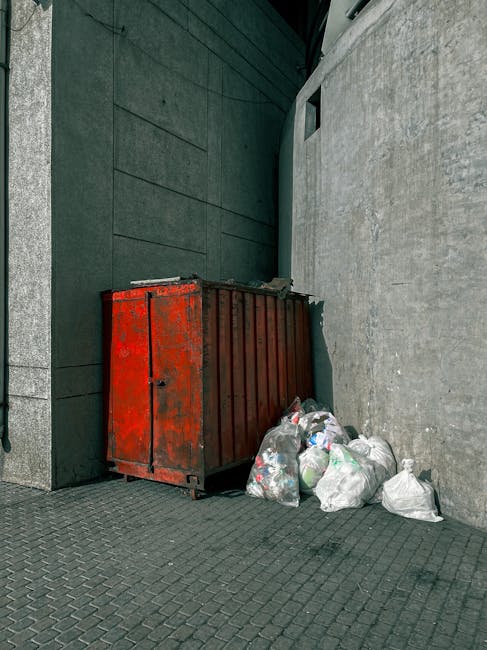
Case study or real-world example
Imagine a couple moving out of a riverside flat in Westferry after years of accumulation. The loft cupboard is full, the old sofa is too worn for resale, and the kitchen has a dead washing machine waiting in the corner. There is also a box of odd bits from a DIY refresh: offcuts, packaging, a broken shelf, and a pile of mixed household rubbish.
At first glance, it looks like one giant job. But once they split it into categories, the picture becomes much clearer. The sofa and bed frame go in one group, the appliance in another, and the mixed rubbish in a third. They take a few photos, check lift access with building management, and schedule the removal for a time when the loading route is quiet. Simple, really - but only after the first bit of sorting.
The result? Less confusion on the day, a faster clearance, and fewer awkward decisions while standing in a corridor at 7:30am with a tape measure and a half-open box. The main lesson is that a little prep unlocks a much smoother service. Westferry properties tend to reward preparation. Lazy planning usually gets punished, which is rude but true.
Practical checklist
Use this before booking your rubbish removal in Westferry E14:
- Identify the main waste types: general rubbish, furniture, appliances, builders waste, garden waste, or mixed items.
- Take clear photos from more than one angle.
- Estimate volume roughly in bags, items, or van-loads.
- Check building access, lift rules, and parking restrictions.
- Separate anything hazardous or questionable.
- Decide whether you need same-day, next-day, or planned removal.
- Ask how the waste will be sorted, recycled, or disposed of.
- Confirm pricing, payment method, and any likely extras before the visit.
- Clear a path to the waste so loading is safe and quick.
- Keep your receipt or job record if you need it for tenancy, landlord, or business purposes.
If you have a moment before collection, do a last five-minute sweep of the area. That last glance catches the random charger cable, the old receipt, the screwdriver in the corner. It always does.
Conclusion
A good rubbish removal plan for Westferry E14 is really about matching the job to the building, the waste type, and the time you actually have. Once those three things line up, everything becomes easier: collection is faster, access is smoother, and you are far less likely to end up with avoidable delays or extra cost. That is the heart of it.
Whether you are clearing a flat, swapping out furniture, handling renovation debris, or sorting out a business space, the best approach is the one that is clear, compliant, and realistic for Westferry life. A small bit of preparation goes a long way. So does choosing a provider who is transparent about what they take, how they handle it, and what happens after collection.
Get a free quote today and see how much you can save.
And once the clutter is gone, take a moment to enjoy the room itself. The extra space, the quiet, the simple relief of it all - that part matters more than people admit.


